Die Pilgerei ging weiter. Es ist nun einige Monate her, seit ich die Via de la Plata abgeschlossen habe. Jetzt schreibe ich ein paar Erinnerungen und Eindrücke nieder.
Was ist die Via de la Plata?
Die Via de la Plata ist – oder besser: war – so etwas wie ein Geheimtipp unter den Jakobswegen. Sie startet ganz im Süden Spaniens, in Sevilla, und führt auf gut 1.000 Kilometern quer durchs Land bis nach Santiago de Compostela.
Der Name „Via de la Plata“ stammt nicht – wie oft angenommen – vom spanischen Wort plata („Silber“), sondern leitet sich vom arabischen Balata ab, was „gepflasterter Weg“ bedeutet. Die Route geht also auf eine alte römische Handelsstraße zurück, die durch das heutige Andalusien, Extremadura und Kastilien führte.
Heute ist sie der ideale Weg für alle, die ohne großen Trubel pilgern wollen. Zwischen Ende April und Anfang Juni begegnete ich auf dem gesamten Weg – bis Astorga – nur etwa 40 bis 80 anderen Pilgerinnen und Pilgern. Darunter waren erfahrene Wanderer aus der ganzen Welt.
Statistisch gesehen wählen pro Jahr nur etwa 10.000 bis 12.000 Pilger diesen Weg – verglichen mit dem populären Camino Francés (mit rund 180.000 bis 200.000 Pilgern jährlich) ist das sehr wenig. Gerade das macht die Via de la Plata besonders ruhig, ursprünglich und meditativ.
Trotz ihrer traumhaften Kulturstätten aus der römischen Antike ist die Plata meiner Meinung nach kein Weg für Einsteiger.
Was den Weg so besonders macht
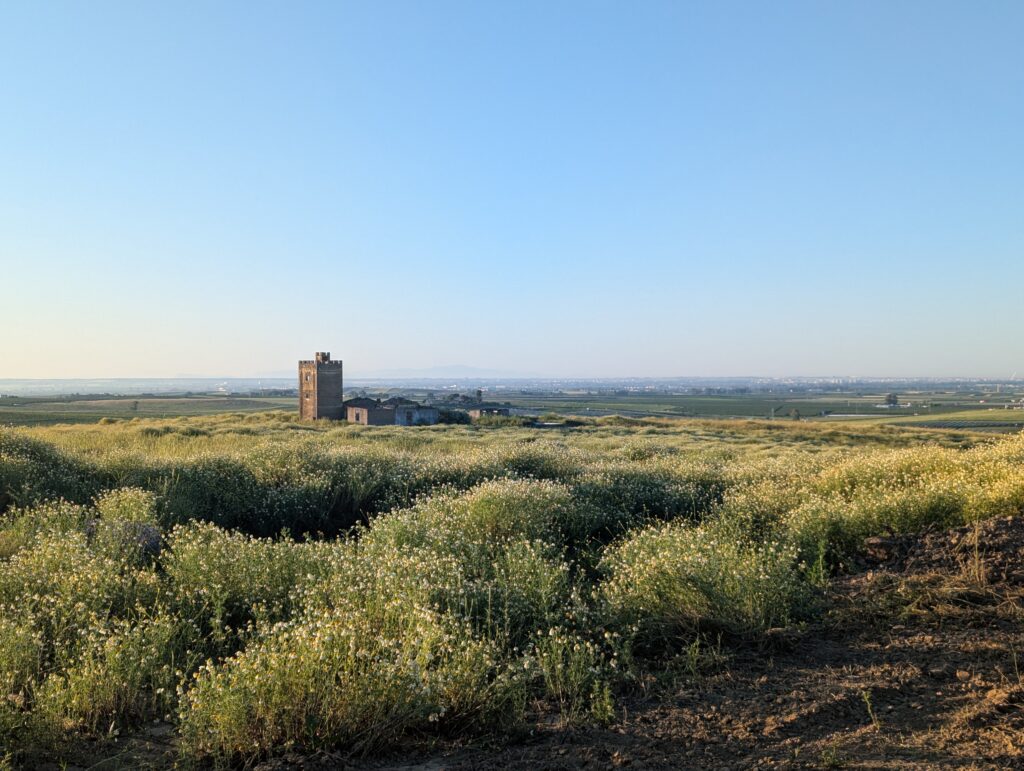
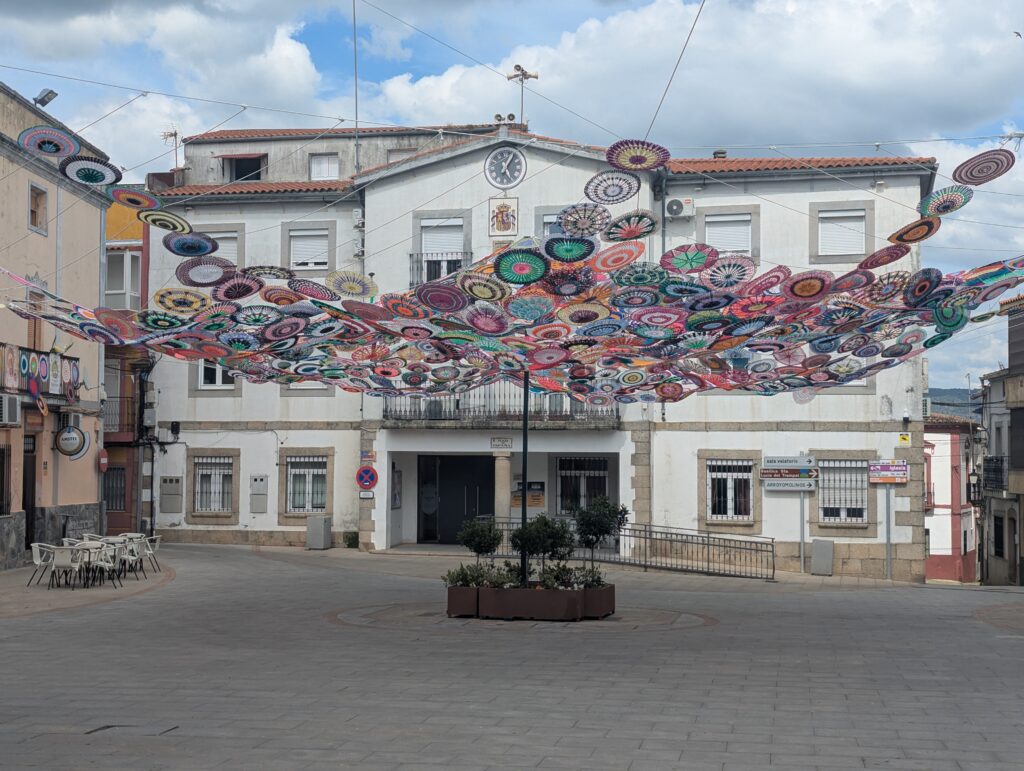
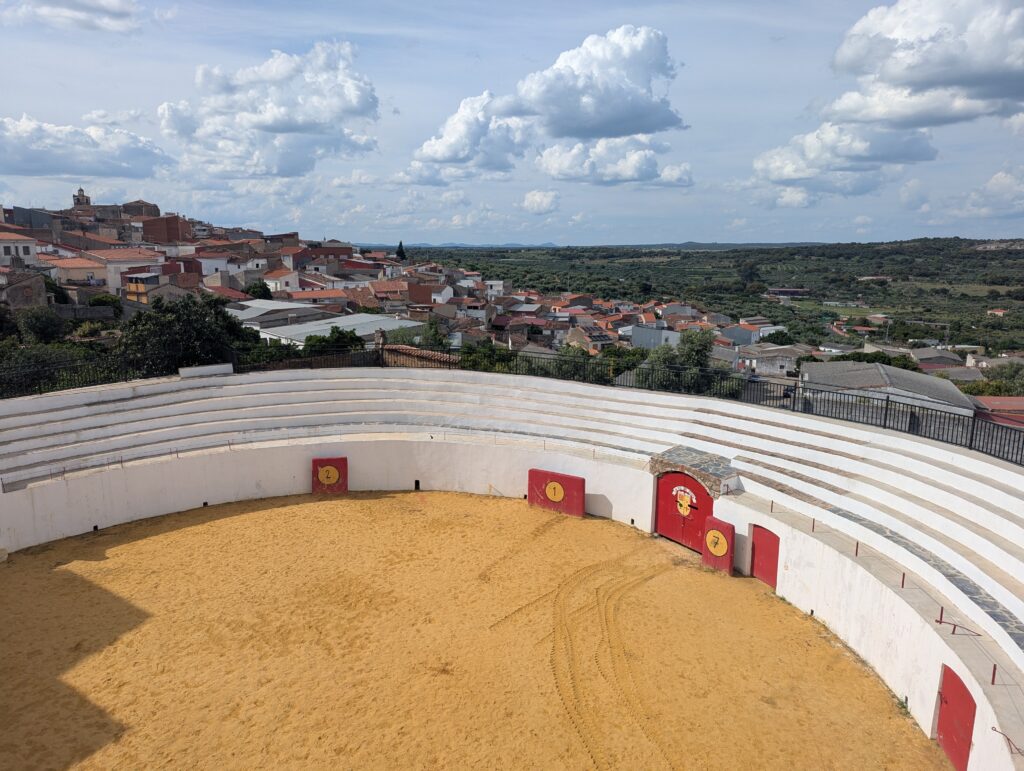
Stell dir vor … weite Ebenen, kaum Verkehr, ab und zu ein kleines Dorf, in dem die Zeit stehen geblieben ist – und du mittendrin. Hier trifft man selten auf Menschenmassen, sondern eher auf Gleichgesinnte, die Ruhe, Natur und innere Einkehr suchen.
Die Highlights unterwegs
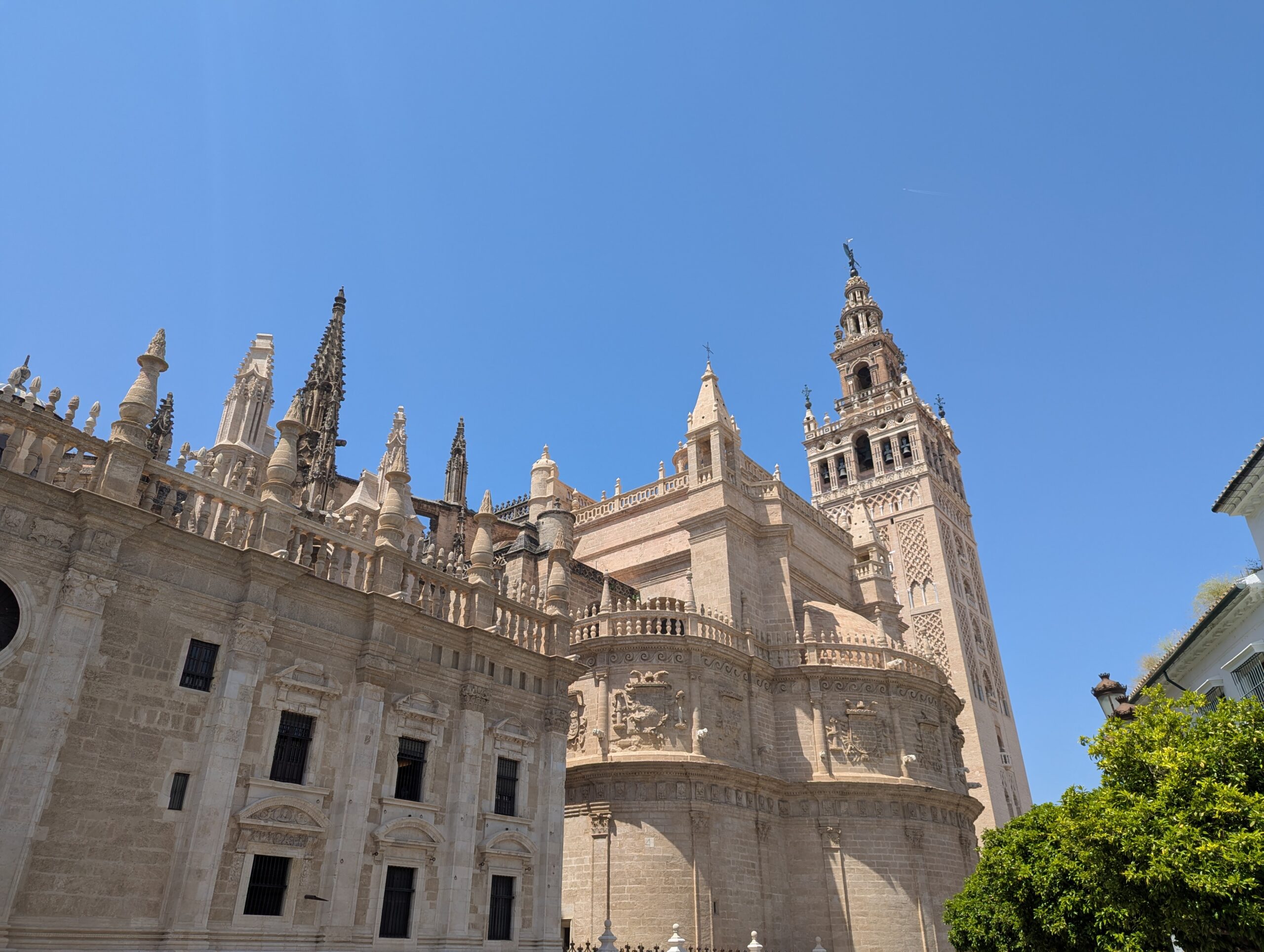
- Sevilla – Der Startpunkt mit Tapas, Flamenco und der berühmten Kathedrale.
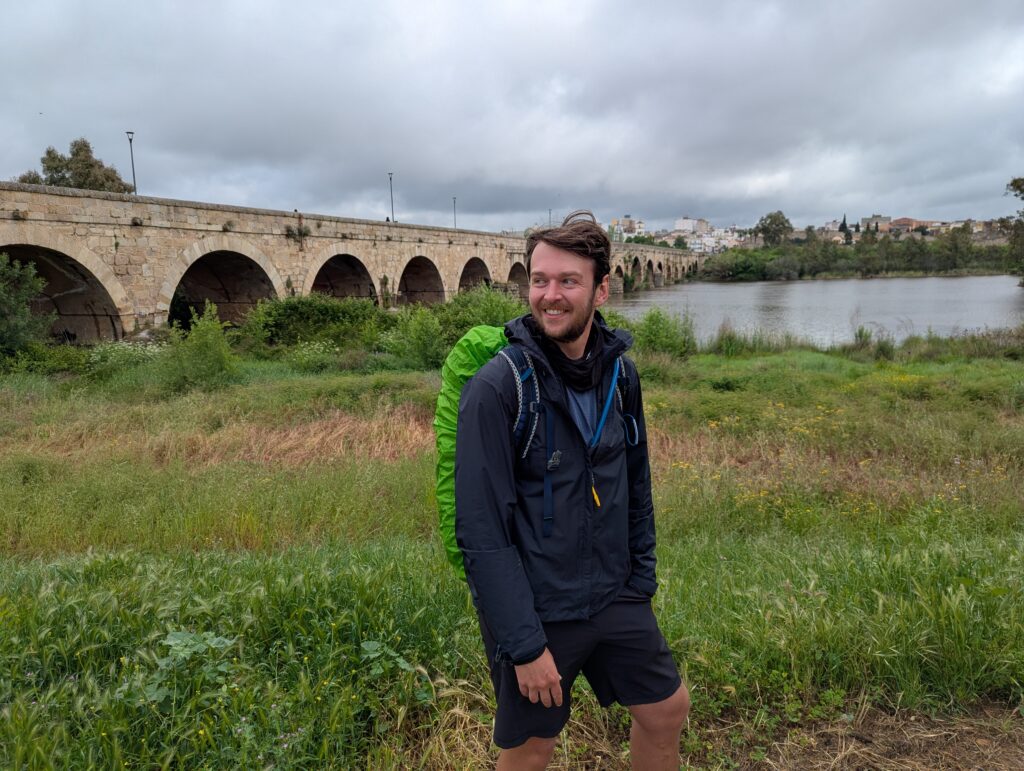
- Extremadura – Wilde Natur, Korkeichenwälder und Städte wie Mérida, in denen römische Geschichte lebendig wird.
- Kastilien und León – Endlose Weiten, kleine Burgen und Dörfer, die wie aus einem Film wirken.
- Galicien – Grüne Hügel, mehr Regen, aber auch das Gänsehautgefühl, wenn Santiago in Sicht kommt.
Tipps für den Weg
- Beste Reisezeit: Frühling oder Herbst – im Sommer kann es im Süden brütend heiß werden.
- Etappen: Plane etwa 35–40 Tage ein, wenn du den gesamten Weg laufen willst. Ich selbst war sechs Wochen unterwegs.
- Packliste: Möglichst leicht packen, aber sowohl auf die Hitze im Süden als auch auf kühlere Nächte im Norden vorbereitet sein.
Ich habe meine ursprüngliche Ausrüstung weitgehend beibehalten, nur einzelne Teile ersetzt.
Mein Fazit
Die Via de la Plata ist kein Camino für Eilige. Hier geht es ums Abschalten, Durchatmen und Genießen – sei es beim Sonnenuntergang in der Extremadura oder beim ersten Blick auf die Kathedrale von Santiago.
Wer den Jakobsweg einmal ganz entspannt und authentisch erleben möchte, sollte sich diesen Weg vormerken.
Ich bin ihn gegangen, um einen großen Brocken Realität zu verarbeiten. Die messbare Aufgabe, die Gemeinschaft unterwegs und die heilende Kraft der Natur haben mir dabei sehr geholfen.
Warum kein Videotagebuch wie beim Camino de Madrid?
Jede*r hat eigene Gründe, den Jakobsweg zu gehen. In diesem Fall habe ich mich bewusst dagegen entschieden, täglich zu schreiben oder zu posten.
Manchmal ist es gerade die Unerreichbarkeit und der Abstand zur modernen Welt, die man braucht, um Dinge zu verarbeiten, zu erkennen und sich selbst wieder näherzukommen.
Im Nachhinein bereite ich die Reise hier noch einmal auf – zur Information und zur Unterhaltung.
The Pilgrimage Continued
It’s been a few months now since I completed the Via de la Plata. I’m now taking some time to write down a few memories and impressions.
What is the Via de la Plata?
The Via de la Plata is — or rather, was — something of an insider tip among the many Camino de Santiago routes. It starts in the far south of Spain, in Seville, and stretches over 1,000 kilometers across the country all the way to Santiago de Compostela.
Contrary to popular belief, the name “Via de la Plata” doesn’t come from the Spanish word plata (“silver”). Instead, it derives from the Arabic word balata, meaning “paved road.” The route follows the path of an old Roman trade route that once connected southern and northern Spain, passing through regions like Andalusia, Extremadura, and Castile.
Today, it’s the perfect choice for those who want to walk in peace, away from the crowds. Between late April and early July, I encountered only about 40 to 80 other pilgrims on the entire stretch — up to Astorga. Among them were experienced long-distance walkers from around the world.
Statistically, only around 10,000 to 12,000 pilgrims walk the Via de la Plata each year, compared to approximately 180,000 to 200,000 on the popular Camino Francés. That makes the Plata a quiet, authentic, and deeply meditative path.
Despite its breathtaking Roman heritage and cultural landmarks, in my opinion, the Plata is not the best Camino for beginners.
What Makes This Route So Special
Picture this: wide open plains, almost no traffic, the occasional small village where time seems to have stopped — and you, walking through it all. You won’t find crowds here, but instead like-minded people seeking solitude, nature, and reflection.
Highlights Along the Way
- Seville – The vibrant starting point with tapas, flamenco, and the famous cathedral.
- Extremadura – Untamed nature, cork oak forests, and cities like Mérida, where Roman history comes alive.
- Castile and León – Endless plains, medieval castles, and villages that look like they’re straight out of a movie.
- Galicia – Lush green hills, more rain, but also that magical feeling when Santiago finally comes into view.
Tips for the Journey
- Best Time to Go: Spring or fall — summer can be brutally hot in the south.
- Stages: Plan around 35–40 days if you intend to walk the whole route. I took six weeks.
- Packing: Travel light, but be prepared for intense heat in the south and chilly nights in the north.
I kept most of my original gear and only replaced a few items along the way.
My Conclusion
The Via de la Plata is not a Camino for those in a rush. This route is about disconnecting, breathing deeply, and soaking it all in — whether it’s the sunset over Extremadura or that first glimpse of the cathedral in Santiago.
If you’re looking to experience the Camino in a more relaxed and authentic way, this path should definitely be on your list.
I walked it to process a heavy piece of reality. The clear goal, the sense of community, and the healing power of nature helped me tremendously.
Why No Video Diary Like on the Camino de Madrid?
Everyone has their own reasons for walking the Camino. In this case, I deliberately chose not to write or post daily updates.
Sometimes, being unreachable and creating distance from the modern world is exactly what’s needed to process things, gain clarity, and spend time with yourself.
Now, in hindsight, I’m revisiting the journey — both to inform and to entertain.
Leave a Reply