Many famous generals, emperors, and kings were in a sense nomads. They traveled extensively, leaving behind the grandeur of palaces and residences.
The Meditations, one of the main works of Stoicism, was written by Marcus Aurelius in the military encampment. He lived among his soldiers, forsaking the comfort of his imperial palace. Many renowned conquerors led their armies themselves, leading from the front.
“You cannot teach reading and writing if you cannot do it yourself; much less teach how one should live rightly if you do not do it yourself.”
Marcus Aurelius
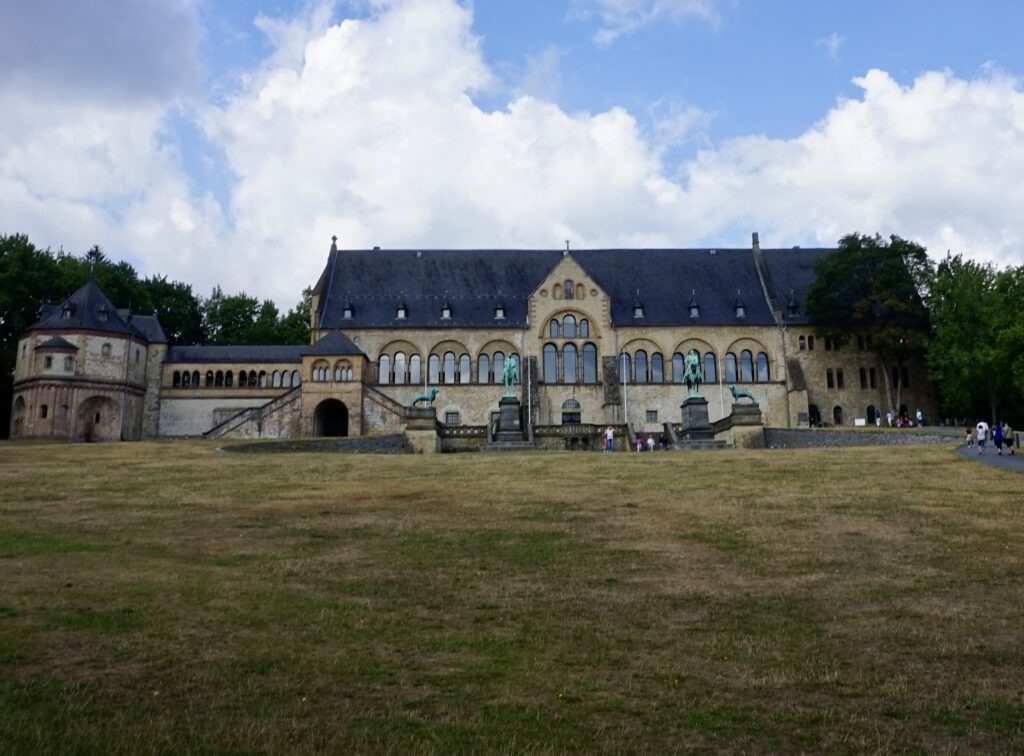
Even the kings of the East Frankish-German Empire in the early and high Middle Ages governed “from the saddle.” They traveled on horseback most of the time through their realm. The so-called “Pfalzen” served as their supports and formed important waypoints. The practice of itinerant kingship persisted until the late Middle Ages. There was no capital city. Thus, the ruler maintained oversight of the realm and simultaneously controlled its local lords. Both aspects served the cohesion of the empire.
Additionally, the nomadic lifestyle significantly influenced historical figures like Alexander the Great and Napoleon Bonaparte. Both were renowned for their military prowess and conquests, often leading their armies on campaigns that took them far from the luxuries of home. Alexander the Great’s upbringing among the nomadic tribes of Macedonia instilled in him a sense of mobility and adaptability that served him well in his conquests across the known world. Similarly, Napoleon’s early experiences as a military officer involved extensive travel and campaigning, shaping his strategic thinking and leadership style. In both cases, the nomadic lifestyle fostered a direct connection with their armies and a willingness to endure hardship alongside their troops, characteristics that contributed to their success as military leaders.
Let’s say that these mentioned rulers, through their nomadic lifestyle, were closer to their land, subjects, and soldiers, and managed with considerably less comfort. Here’s what we can learn from their nomadic approach to leadership:
- Learning from Firsthand Experience: These leaders, such as Marcus Aurelius, wrote seminal works like “The Meditations” while living among their soldiers. By immersing themselves in the daily realities of their subjects and soldiers, they gained invaluable insights into their needs, concerns, and aspirations we can read about until today.
- Knowing the People You Lead: By living among their soldiers or traveling extensively through their realms, these leaders cultivated a deep understanding of the people they led. This direct connection fostered profound empathy, trust, and effective communication, essential for inspiring loyalty and collaboration.
- Embracing Discomfort: The nomadic lifestyle often meant foregoing the luxuries of palace life. By experiencing discomfort firsthand, these leaders demonstrated resilience, humility, and a commitment to their missions. They showed that true leadership involves sharing the hardships of one’s people and leading by example.
- Having a Long-Term Vision: Despite constant movement, these leaders maintained a strategic vision for their realms or campaigns. They were always prepared to adapt their plans and strategies to changing circumstances, seizing opportunities and planning for the long term. This flexibility and foresight enabled them to navigate challenges.
- Knowing Your Land and its Treasures: Nomadic leaders understood the geography, resources, and potential threats of their territories intimately. This knowledge allowed them to leverage the land’s resources effectively, strategize for defense or conquest, and make informed decisions that benefited their people.
- Living in the Moment: Nomadic life was often fraught with dangers, requiring leaders to be ever vigilant and adaptable. This necessity fostered a mindset of living in the moment, being fully present to respond swiftly to emerging threats or opportunities. By embracing the uncertainty of their environment, these leaders cultivated agility and resilience in the face of adversity.
In essence, the nomadic approach to leadership exemplified by these historical figures emphasizes the importance of learning from firsthand experience, knowing the people you lead, embracing discomfort, having a long-term vision, understanding the land and its treasures, and living in the moment.
We, who are not rulers, can still draw inspiration from them, and the insights could be as follows:
- Seek Firsthand Experience: Engage directly with people and situations to understand their needs and perspectives.
- Build Relationships: Cultivate empathy and trust to inspire collaboration and loyalty.
- Embrace Discomfort: Step out of your comfort zone to grow and develop resilience.
- Develop Long-Term Vision: Set goals and remain flexible to adapt as circumstances change.
- Know Your Environment: Understand your surroundings and resources to make informed decisions.
- Live Mindfully: Be present in the moment, ready to respond to opportunities and challenges with awareness and adaptability.
Leave a Reply